
How Christianity Transformed Mizo Society
Lorrain and Savidge arrived in 1894; the Welsh Mission followed in 1897, influencing writing, education and religious life.
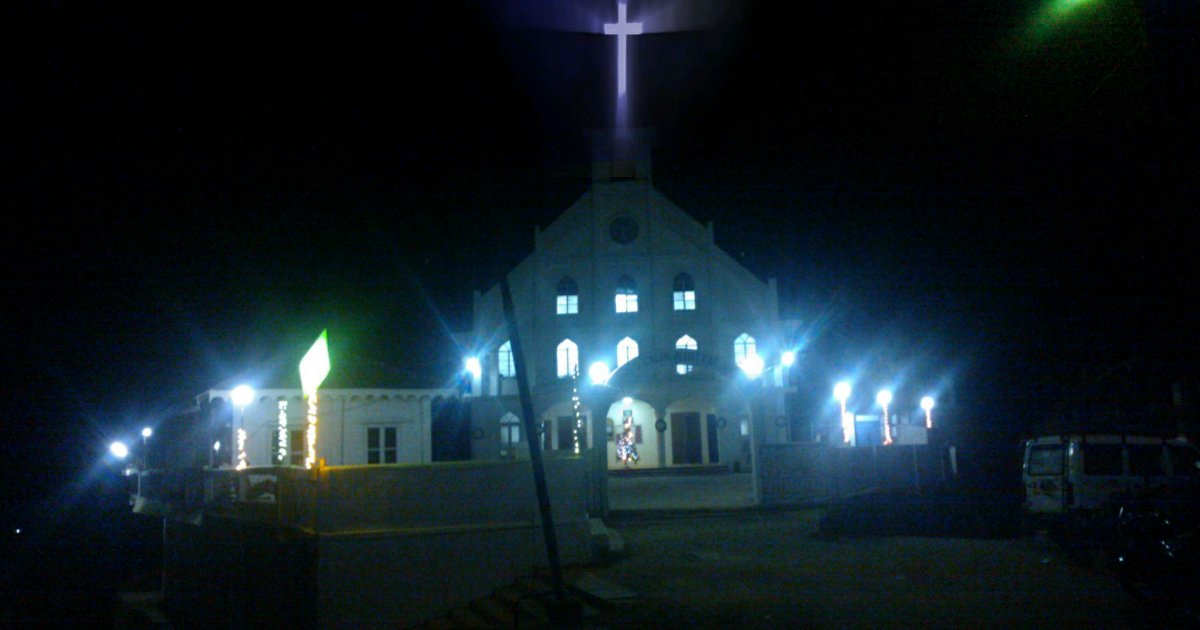
J. H. Lorrain and F. W. Savidge arrived in Mizoram in January 1894 under the Arthington Aborigines Mission. The Welsh Mission followed with D. E. Jones in 1897. William Williams, a Welsh missionary, had made an earlier brief visit in 1891; that was not the start of the resident Welsh Mission. Christians accounted for approximately 87% of Mizoram's population in the 2011 Census.
The missionaries brought more than religion. They introduced the Roman script, creating the first written form of the Mizo language. They established schools, bringing widespread literacy. They built hospitals and introduced modern medicine.
The impact was profound. Traditional practices like headhunting ceased. The traditional zu (rice beer) culture declined. New forms of music, particularly Western hymns adapted to Mizo melodies, became central to cultural expression.
Yet this transformation was not entirely one-directional. Mizos adapted Christianity to their own cultural context, creating a unique synthesis. The community-oriented values of tlawmngaihna found new expression through church organizations. Traditional festivals were reinterpreted through a Christian lens.