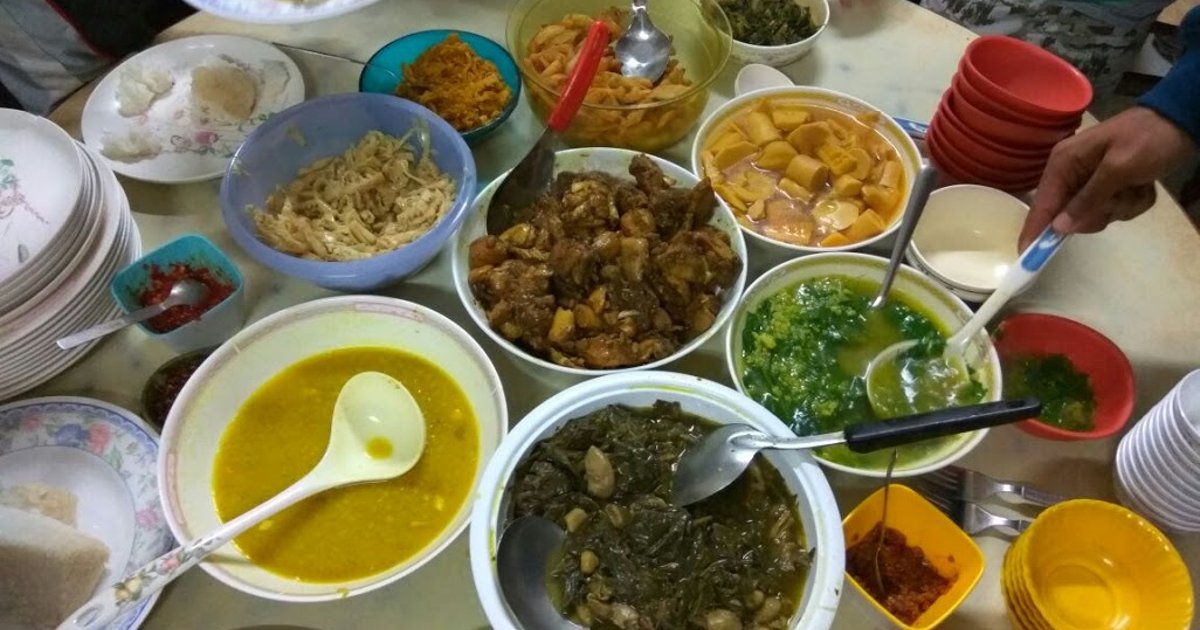
Tlawmngaihna: The Untranslatable Heart of Mizo Ethics
This single word captures an entire philosophy of selflessness, bravery, and community service.
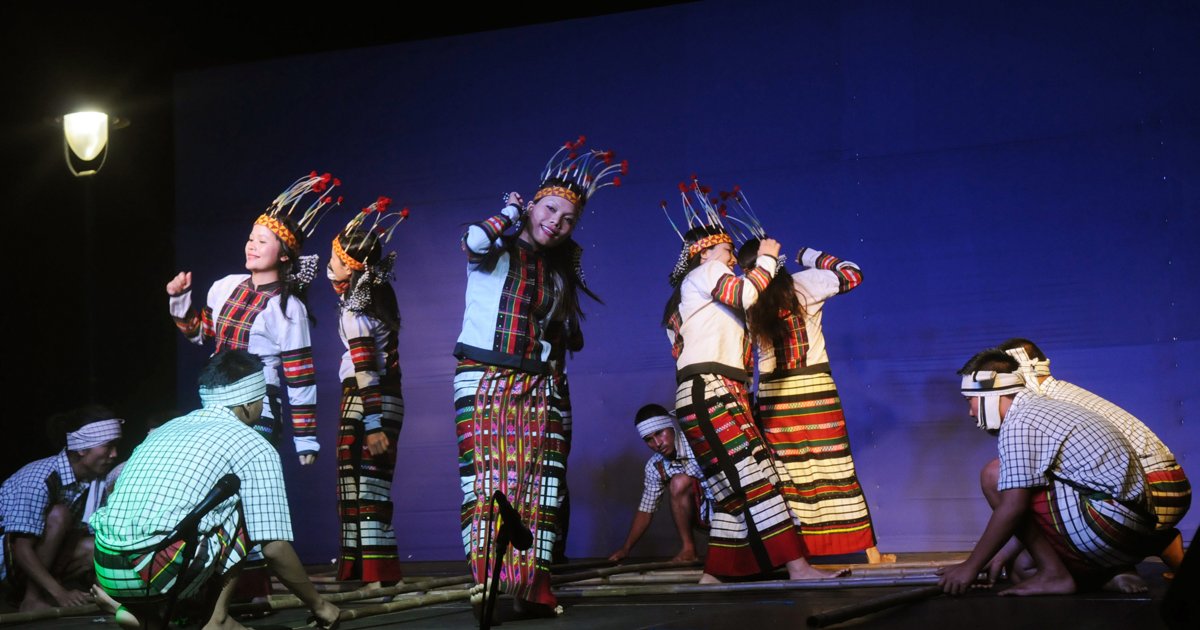
Tlawmngaihna is the cornerstone of Mizo ethics—a concept so rich that it defies simple translation. It encompasses selflessness, bravery, hospitality, and an instinct to put others' needs before one's own without expecting anything in return.
A person with tlawmngaihna helps neighbors build their house without being asked. They give their seat to others, share their food with strangers, and rush to help during emergencies. They do not keep score or expect reciprocation.
This is not passive virtue but active engagement with community. When there is a death in the village, everyone helps with funeral arrangements. When someone is building a home, the whole community pitches in. When a stranger arrives, they are welcomed as an honored guest.
Tlawmngaihna expresses an ideal of mutual support. It helps explain the importance placed on community service and hospitality, but it should not be treated as a statistical explanation for crime rates or as a rule that every individual behaves identically.